

A Forbidden Island in the Atlantic
Roughly 33 kilometers (20 miles) off Brazil’s south-eastern coast lies a small, forested island called Ilha da Queimada Grande — but most people know it by a far more ominous name: Snake Island.
From a distance, it looks like an untouched tropical paradise. But beneath the canopy lives something far more sinister: thousands of venomous snakes. The Brazilian government has completely banned public access, allowing only scientists and military personnel to visit under strict supervision.
Evolution Trapped in Isolation
Thousands of years ago, Snake Island was part of the Brazilian mainland. When sea levels rose after the last Ice Age, it became separated from the continent, stranding a population of snakes.
Cut off from predators and new gene flow, these snakes began evolving on their own. With no mammals to hunt, they adapted to eating birds — and that change shaped their venom in a terrifying way.
To ensure they could catch fast-moving birds, the snakes evolved venom up to five times more potent than that of their mainland relatives. Their toxin acts almost instantly, paralyzing prey before it has a chance to escape.
Over time, this isolation created an entirely new species — the golden lancehead, found nowhere else on Earth.
Meet the Golden Lancehead
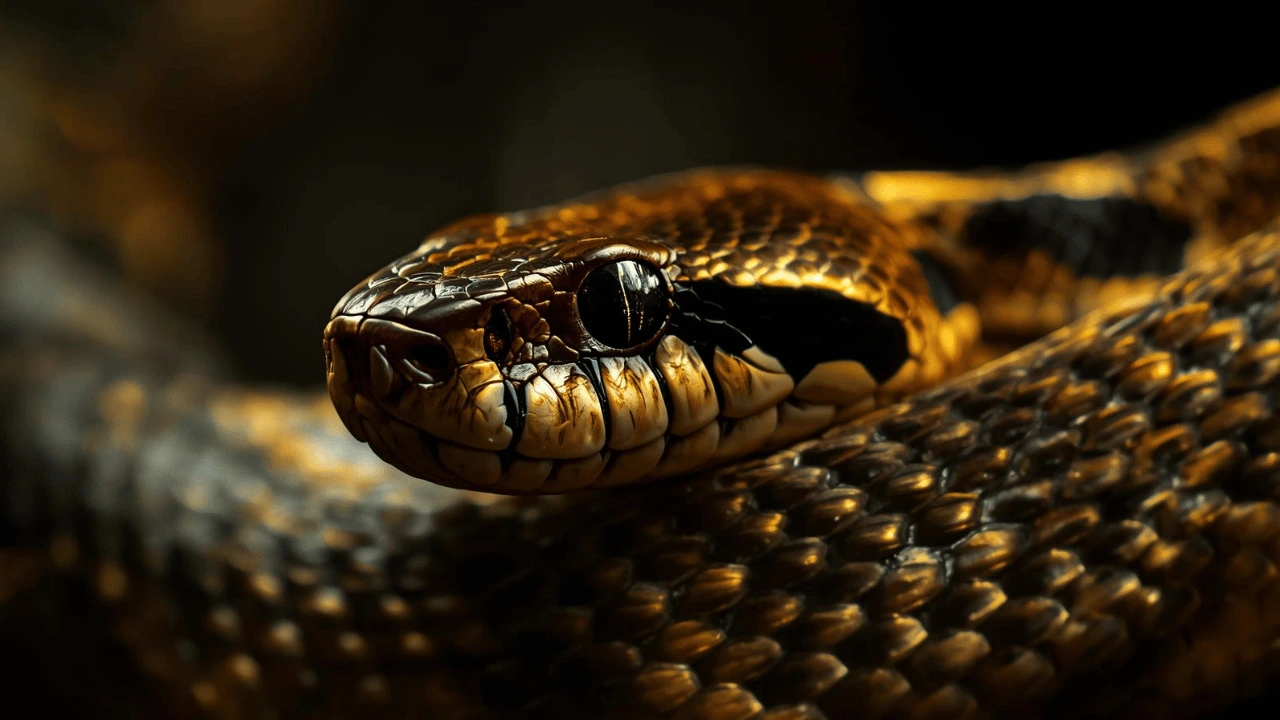
The golden lancehead is a slender, light-golden snake that typically grows to around 70–90 cm in length. Its name comes from its distinctively shaped head, resembling the tip of a spear.
Unlike most vipers that stay near the ground, the golden lancehead is arboreal — it climbs trees to ambush migratory birds that rest on the island during long ocean crossings.
The snakes’ numbers are staggering: estimates suggest between 2,000 and 4,000 individuals inhabit the island’s 43 hectares (about 0.4 square kilometers). That’s one of the highest densities of venomous snakes anywhere on the planet.
Even if the “one snake per square meter” claim is exaggerated, it’s not far from reality — in many parts of the island, you’re never more than a few meters away from one.
Why Humans Are Forbidden
The danger to humans on Snake Island isn’t hypothetical — it’s absolute. The golden lancehead’s venom causes:
- Rapid internal bleeding and organ failure
- Brain hemorrhages and tissue necrosis
- Intense pain and swelling within minutes
Without immediate medical attention and antivenom, a single bite could be fatal. But even if someone were bitten, rescue would take hours, as the island’s terrain is rugged and there’s no medical facility nearby.
Brazil’s Navy, which maintains the island’s automated lighthouse, only lands occasionally — and never without full protective gear. The risks are simply too high.
A Sanctuary for Snakes — and Science
Interestingly, the island’s restricted access isn’t only for human safety. It’s also to protect the snakes.
Because the golden lancehead exists only on this island, it’s listed as critically endangered. Disturbing its fragile habitat could easily push the species toward extinction.
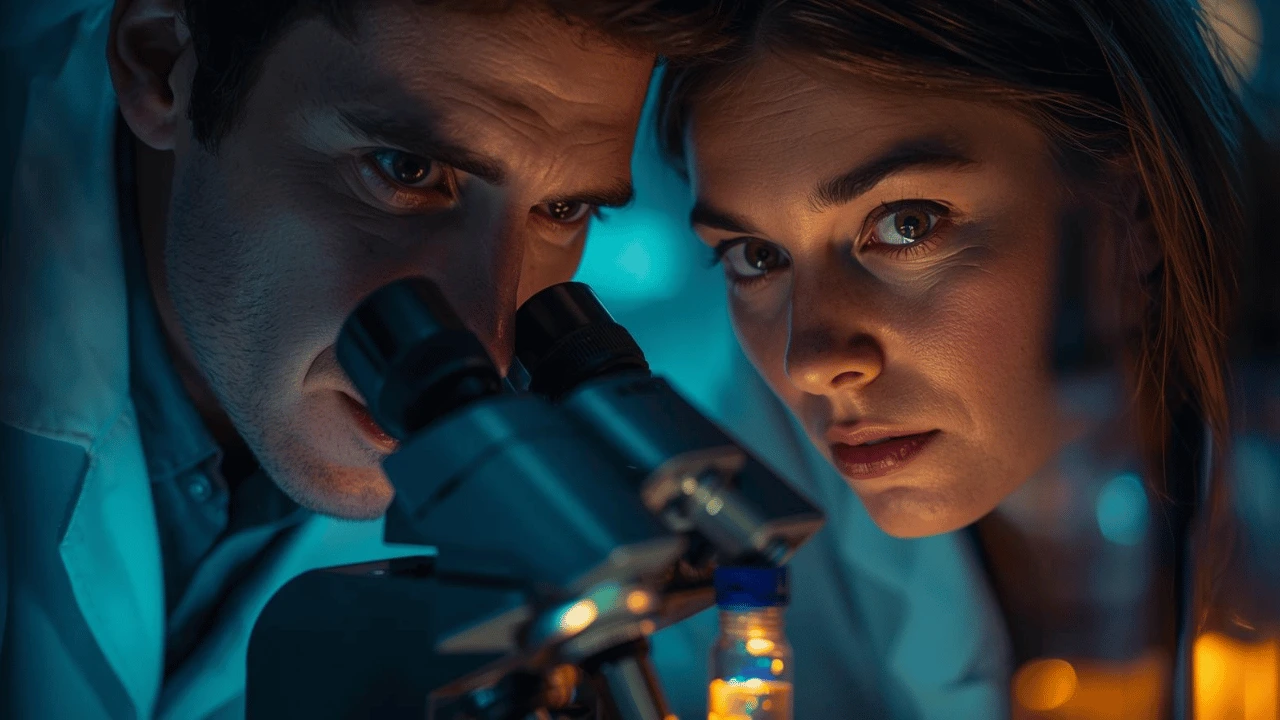
Scientists are particularly interested in the snake’s venom, which has shown potential for medical research, including treatments for blood pressure and clot-related disorders. Despite its danger, this venom could one day help save lives.
Unfortunately, its rarity has also made it a target for wildlife traffickers. On the black market, a single golden lancehead can fetch tens of thousands of dollars, leading Brazil to heavily monitor and restrict access to the area.
Myths and Legends Around Snake Island
Snake Island’s eerie reputation has inspired plenty of tall tales. Let’s separate fact from fiction.
🧭 Myth 1: Pirates Left the Snakes to Guard Treasure
A favourite story claims pirates placed snakes on the island to guard their gold. The truth? The snakes evolved naturally after sea levels rose — no treasure, no pirates.
☠️ Myth 2: There’s One Snake Per Square Meter
While the population density is high, scientists say the “one snake per square meter” claim is exaggerated. However, it’s still dense enough that avoiding them would be nearly impossible.
⚗️ Myth 3: The Venom Melts Flesh Instantly
This dramatic claim isn’t accurate. The venom doesn’t melt skin — it breaks down cells, causing severe tissue death and internal bleeding over time.
🏝️ Myth 4: People Still Live There
False. The island’s only structure, a lighthouse built in 1909, is now automated. The last lighthouse keepers left decades ago after a series of tragic snake encounters.
Why the Island Is Scientifically Irreplaceable
Despite its deadly nature, Snake Island is a crucial ecological and scientific site. It’s a living example of evolution in isolation — a natural experiment in how species adapt to extreme environments.
Researchers studying the golden lancehead are not just learning about snake biology but also about how isolated ecosystems evolve and balance themselves.
According to the BBC’s Science Focus, Snake Island remains one of the most biologically unique habitats in the world, offering insight into how species can survive — and thrive — in extreme isolation.
A Place Humans Should Never Tread
In the age of adventure tourism, Snake Island stands as one of the last truly off-limits places on Earth. It’s a patch of jungle ruled by nature alone — untouched, unspoiled, and unwelcoming to humans.
The island’s mystery endures not because of what we’ve found there, but because of what we can’t experience firsthand. It’s a reminder that, even in our modern world, there are still places where humans simply don’t belong.
Snake Island is both terrifying and fascinating — a deadly paradise where life has evolved on its own terms. And perhaps that’s exactly how it should stay.
