
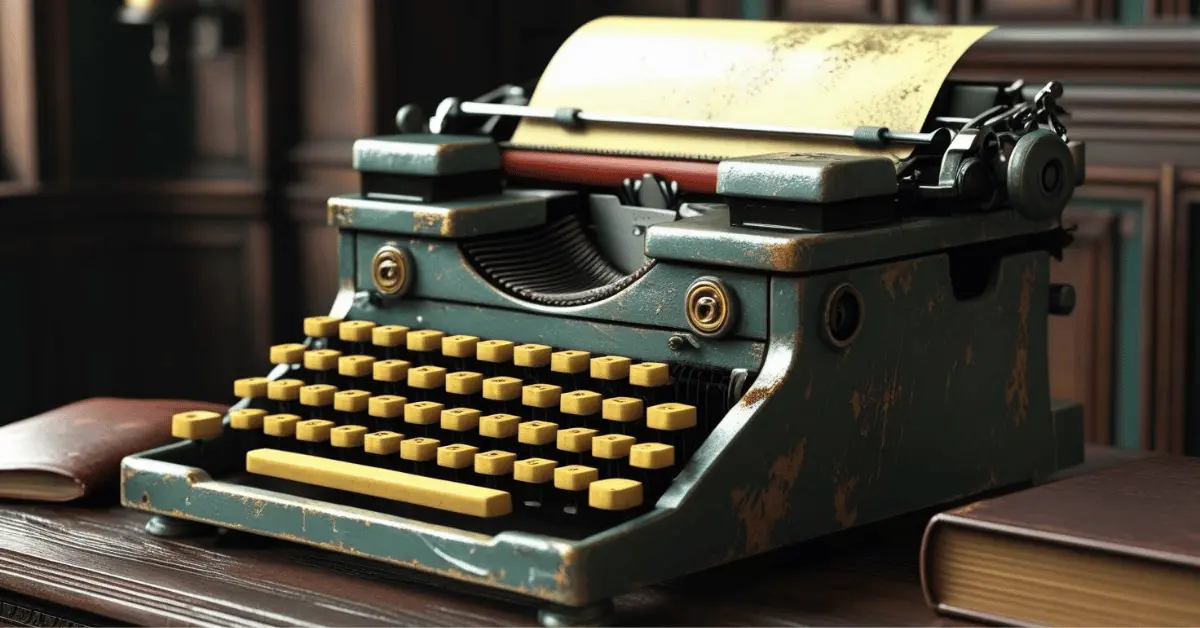
In the world of robotics, innovations like artificial intelligence and automation are often seen as modern advancements. However, one fascinating invention from the 18th century still astounds engineers and enthusiasts alike: the Writer Automaton.
The Birth of the Writer Automaton: A Glimpse into the PastCreated by Swiss watchmaker Jacques de Vaucanson in 1739, the Writer Automaton was a mechanical marvel designed to replicate the human act of writing. Vaucanson, also known for creating a mechanical duck, took his passion for automata to new heights by building a machine that could write words with remarkable precision. This was not just a mechanical device but a glimpse into the future of robotics.
How It Worked
The Writer Automaton was powered by a complex system of gears, springs, and pneumatic controls that allowed it to move a quill across paper. It wasn’t just pre-programmed to write—it could adapt its writing style, such as changing the size and shape of letters, and form letters with incredible accuracy, a feature that was revolutionary at the time. This adaptability was a significant leap in the field of robotics, as it demonstrated the machine’s ability to mimic human behavior.
Vaucanson’s creation was one of the earliest examples of automation replicating human motion, paving the way for the robots and AI systems we see today.
The Legacy of the Writer Automaton: A Testament to Enduring InnovationVaucanson’s Writer Automaton was not only a marvel of 18th-century craftsmanship but also a significant step in the development of robotics. It inspired future generations to explore how machines could perform tasks once thought to be exclusive to humans. While the technology of the time was limited, the Writer Automaton was one of the earliest demonstrations of mechanical automation.
Why It Still Works Today
Surprisingly, the Writer Automaton still functions today, centuries after its creation. Housed in the Musée des Arts et Métiers in Paris, the machine has been carefully preserved and continues to write, showcasing the durability of early engineering. It’s a testament to Vaucanson’s brilliant craftsmanship and the timeless nature of innovation.
A Symbol of Innovation
Today, when we think of robots and AI, we often imagine complex, futuristic machines. Yet, the Writer Automaton serves as a reminder that the foundation for today’s robotics was laid long ago. Vaucanson’s work may have been rudimentary compared to modern AI. Still, it sparked the imagination of inventors and engineers who would go on to build the technologies we rely on today.
Conclusion
The Writer Automaton is not just an antique curiosity; it’s a symbol of human ingenuity. From its creation in the 18th century to its continued operation today, it shows that innovation is timeless. As we move further into the age of AI and robotics, we can look back at this early automaton and remember that the journey toward automation began long before the rise of computers.
